

The short answer: usually not
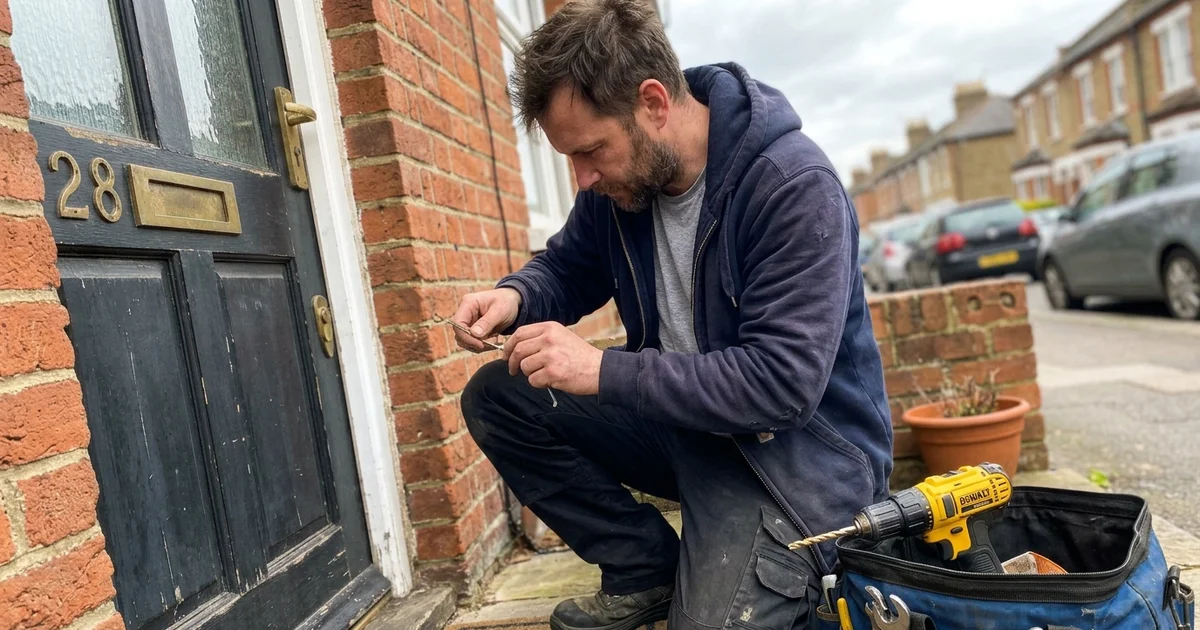
On a standard domestic door in Waterford, the answer is almost always no. Most euro cylinders, mortice locks and rim latches can be opened non-destructively, which means the lock is manipulated into operating exactly as your key would and keeps working normally afterwards.
Drilling is the exception, not the routine. When we attend an emergency lockout, non-destructive entry is what we try first, every time. Often the lock isn’t beyond saving at all — why a key won’t turn in the lock covers the causes that a repair usually resolves.
Why some locksmiths drill anyway
It’s worth understanding the incentive, because it explains a lot of bad experiences.
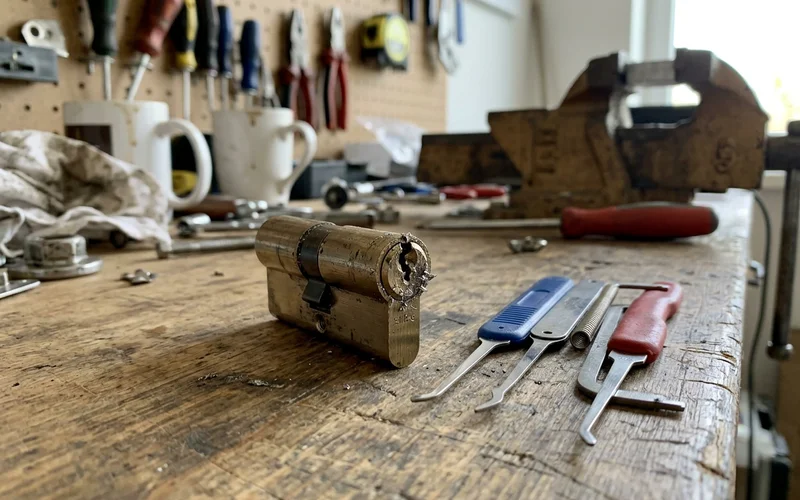
Drilling a cylinder takes about ninety seconds. Picking one might take two minutes or twenty, depending on the lock and the day. For a locksmith paid per job and trying to fit as many calls as possible into a shift, the drill is the efficient tool.
The cost of that efficiency lands on you.
| Approach | What you pay | What you’re left with |
|---|---|---|
| Non-destructive entry | The call-out | Your original lock, still working |
| Drilling | Call-out + new lock + fitting | A replacement lock, sometimes a marked door |
On a typical domestic door that difference is usually €50 to €120. On a period timber door, where drilling can damage the surround and the ironmongery is hard to match, it can be considerably more.
When drilling genuinely is the answer
Honesty matters more than a marketing claim here. Four situations do defeat non-destructive methods.
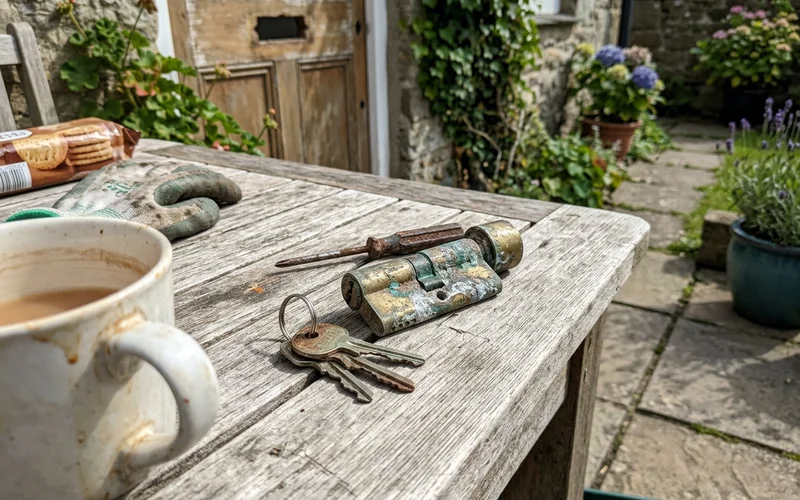
A seized cylinder. Corrosion has locked the internals solid, so nothing turns — key, pick or otherwise. This is markedly more common on coastal doors around Tramore, Dunmore East, Fenor and the Copper Coast, where salt air attacks cylinder internals.
High-security locks. Anti-pick pins, sidebars and similar features are specifically designed to defeat manipulation. That’s exactly what you paid for when the lock was fitted, and it works on locksmiths too.
Damage from a break-in attempt. A partially snapped cylinder or a forced mechanism may be physically deformed inside, with no clean path to manipulate.
Certain configurations where no bypass exists and the pinning defeats a reasonable time on site.
What should happen before a drill comes out
This is the part worth insisting on:
- The locksmith attempts non-destructive entry first.
- If it isn’t working, they explain why — seized, high-security, damaged.
- They tell you the cost of a replacement lock, before drilling.
- You agree, or you don’t.
You should never learn that your lock has been destroyed by hearing a drill start. If that happens, the conversation you should have been offered didn’t happen.
Questions to ask when you ring
“Will you try to open it without drilling?” The answer tells you how the business operates.
“If it does need drilling, what will the replacement cost?” A good locksmith gives you a range on the phone, so you know the worst case before anyone travels.
“Is that included in your quote?” Some quotes assume drilling and include a lock. Some assume non-destructive and don’t. Knowing which you’re being quoted prevents a surprise.
What we do
Non-destructive entry first, on every job. If we can’t get in that way, we stop and explain the situation, tell you what replacing the lock costs, and only proceed with your agreement. Where a replacement is needed, it’s fitted the same visit and carries our 12-month labour guarantee.
For a fuller explanation of how damage-free opening actually works, see our guide on non-destructive entry.