

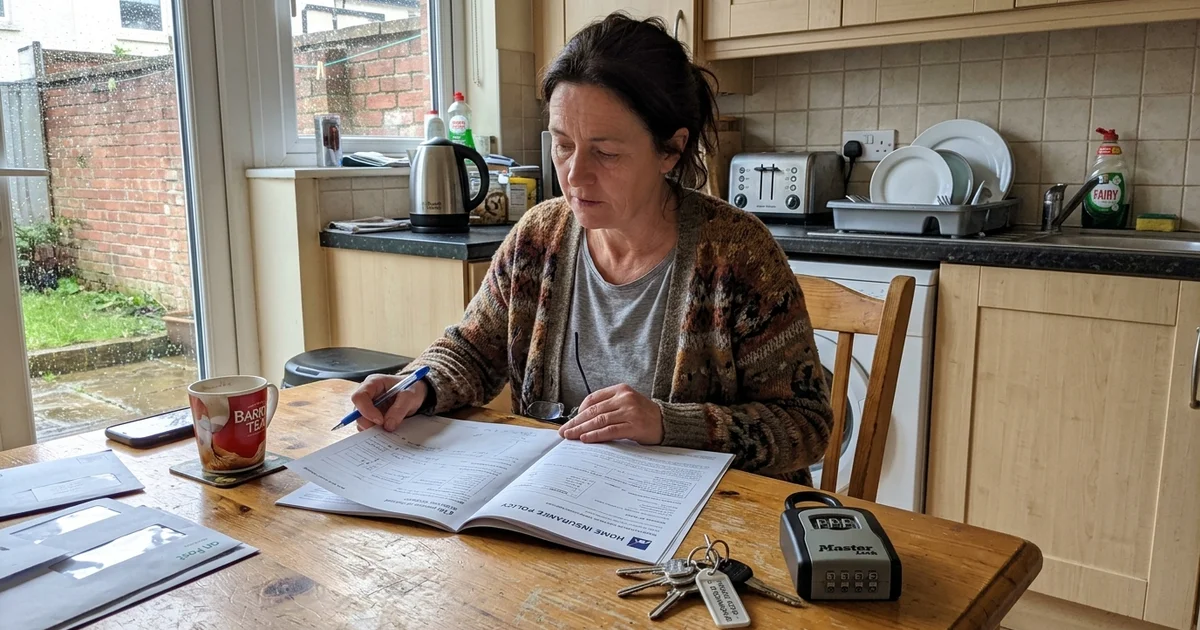
What insurers actually ask for
Home insurance policies in Ireland commonly include a security condition, and it usually refers to lock standards rather than brands. The most frequently referenced are:
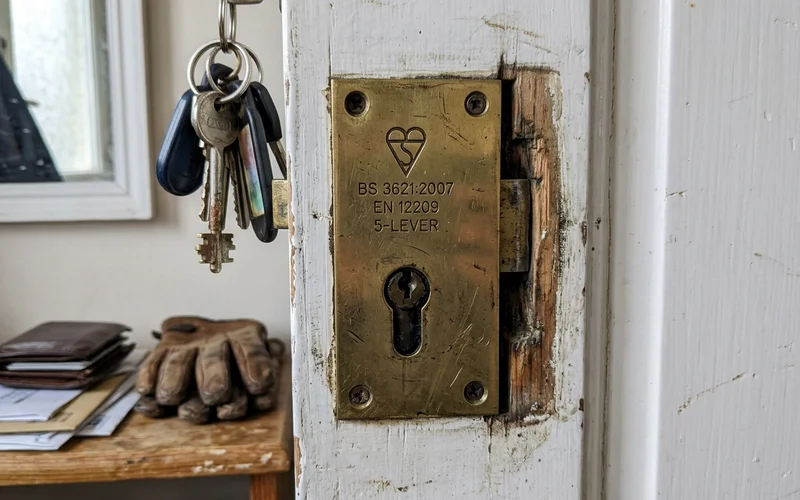
British Standard BS 3621 — a standard for thief-resistant locks, generally applied to mortice deadlocks on timber doors. Policies sometimes phrase this as “a five-lever mortice deadlock to BS 3621 on all final exit doors”.
IS EN 1303 — a European and Irish standard covering the performance of cylinders, including durability, key security and resistance to attack.
“Approved” or “insurance-rated” locks — vaguer wording that generally points at the two above.
Some policies also mention key-operated locks on accessible windows, and a few specify anti-snap protection explicitly.
The critical point: wording varies between insurers and between policies from the same insurer. Nothing on this page substitutes for reading your own document. Look for a section headed security conditions, or a general conditions section that mentions locks.
Why it matters at claim time
Insurance conditions exist to be relied on. If a policy states that final exit doors must have locks to a particular standard, and a break-in occurs through a door that doesn’t, an insurer is entitled to ask questions. Depending on the wording and the circumstances, that can affect how a claim is settled.
That isn’t a reason for alarm. It is a reason to spend ten minutes checking, because resolving a mismatch in advance costs the price of a lock, and discovering it during a claim costs considerably more.
How to check your own locks
Timber doors with mortice locks. Open the door and look at the faceplate on the edge — the metal strip the bolt comes through. A British Standard lock usually carries a kitemark and “BS 3621” stamped into it. No marking generally means it isn’t rated.
UPVC and composite doors with euro cylinders. Look at the cylinder face and the key. Rated cylinders often carry a star marking (TS 007), a Sold Secure logo, or a reference to IS EN 1303.
Everything else. Patio doors, side doors, garage doors and accessible windows. Policies frequently refer to “all external doors”, which includes the ones people forget.
If you can’t find markings, that’s your answer for practical purposes: assume it isn’t rated and check with a locksmith.
What to do about a mismatch
The fix is usually straightforward and cheaper than people expect, because the labour is the larger part of the cost and it’s the same whichever lock is fitted.
- Timber door, non-standard mortice: replace with a BS 3621 five-lever deadlock. Typically €150 to €220 fitted.
- UPVC or composite, basic cylinder: replace with a rated anti-snap cylinder. Typically €100 to €160 fitted. If you’re unsure whether yours qualifies, what anti-snap locks are and whether you need them explains the ratings insurers look for.
- Multiple doors: doing them together is better value, and they can be keyed alike so one key does the lot.
Get it in writing
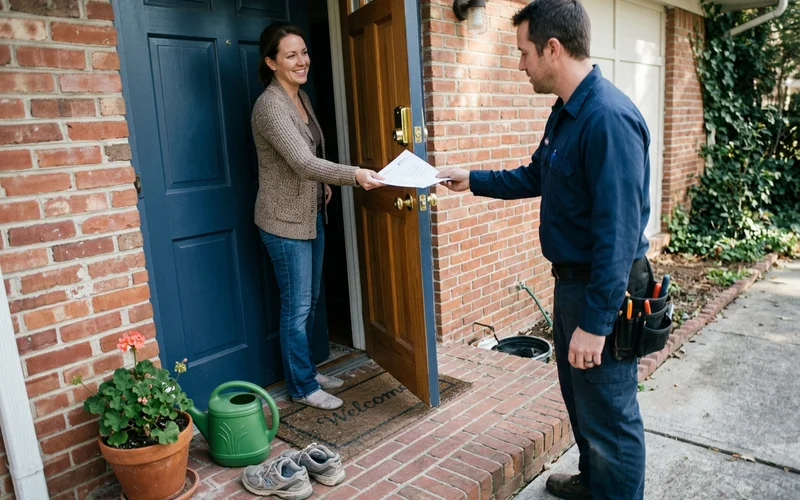
Whatever you have fitted, ask for a written record: what was installed, on which doors, to which standard, and on what date. Keep it with your policy documents.
That single piece of paper is what turns “I think the locks are fine” into evidence, and it costs nothing to request at the time. It’s the same documentation we provide after break-in work, covered in our guide on meeting insurance requirements after a burglary.
A note on honesty
We’re locksmiths, not insurance advisers, and we’re not going to tell you your claim will be refused to sell you a cylinder. What we will do is read your policy wording with you, tell you plainly whether what’s on your doors matches it, and fit what’s needed if it doesn’t.
If your locks already comply, we’ll say that and leave them alone.