

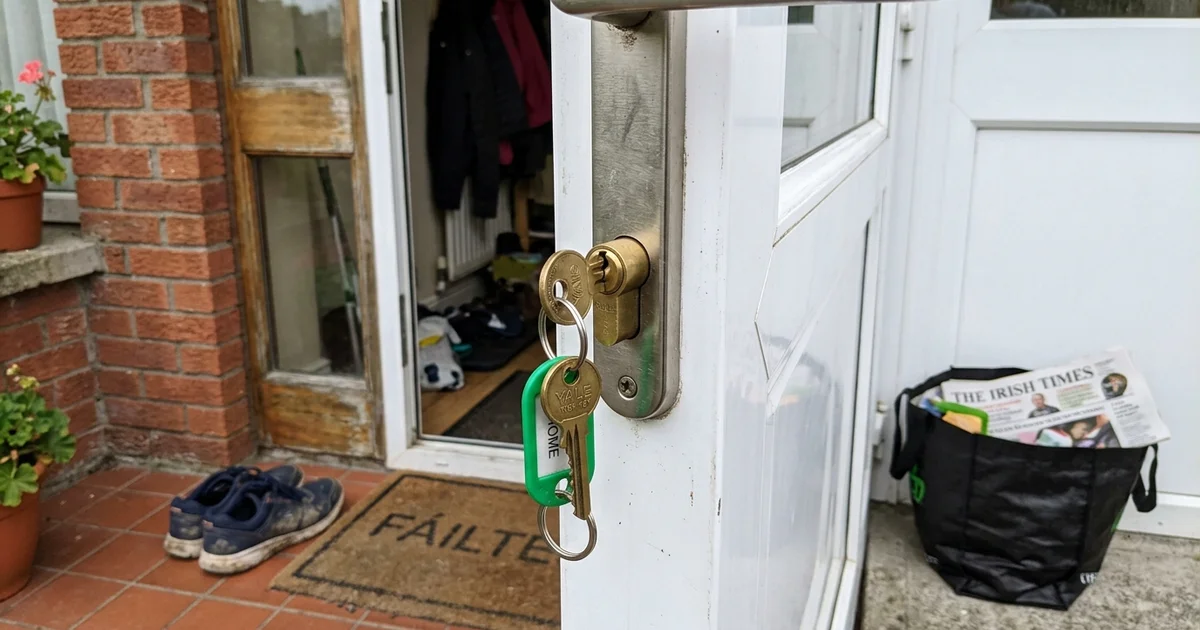
What lock snapping actually is
A euro cylinder is the flat, keyhole-shaped lock fitted to nearly every UPVC and composite door in Ireland. It has a natural structural weak point at the middle, where the cam that operates the mechanism sits.
On a standard cylinder, that weak point isn’t controlled. Grip the protruding section, apply leverage, and it snaps in two — leaving the cam exposed and the lock operable directly. It’s quiet, it takes very little time, and it needs no particular skill.
Two features make a door an easy target: a standard cylinder with no anti-snap protection, and a cylinder that protrudes past the handle plate, giving something to grip. Both are fixed by the same job — an anti-snap and high-security lock upgrade.
How anti-snap cylinders defeat it
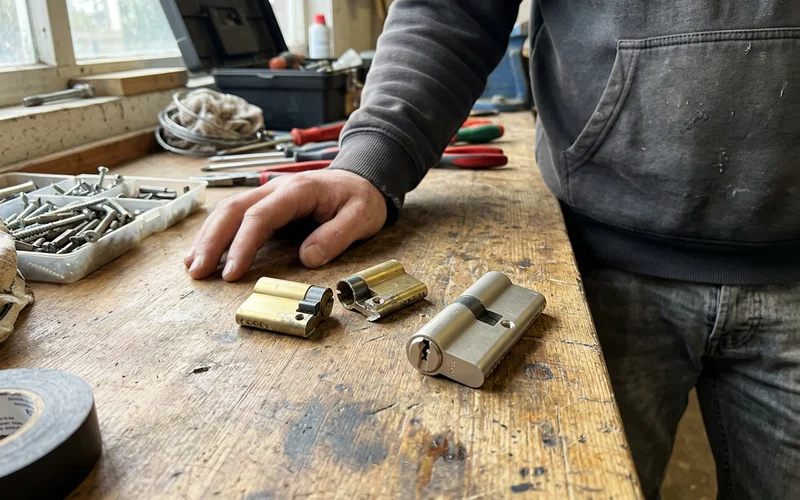
The clever part is that an anti-snap cylinder doesn’t try to be unbreakable. It chooses where it breaks.
A sacrificial section near the outer face is designed to shear away first, under less force than the main body needs. When an attacker applies leverage, that outer piece comes off in their hand — and behind it, the main body of the cylinder and the cam are still intact, still locked, and now sitting flush with the door where there’s nothing left to grip.
Good anti-snap cylinders combine that with:
- Anti-drill pins — hardened steel inserts that destroy drill bits.
- Anti-pick pins — mushroom or spool shaped, so picking gives false feedback.
- Anti-bump features — resisting the key-bumping technique.
Between them, that covers the four attacks that account for most non-forced entries.
Are you vulnerable? The two-minute check
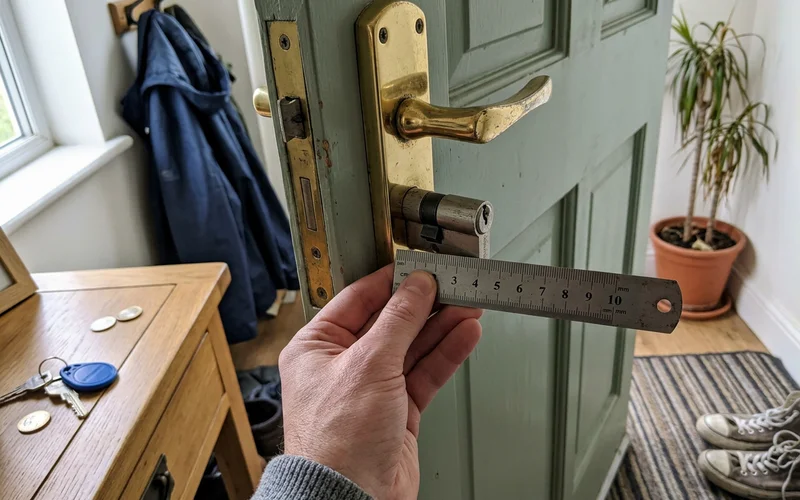
- Look at your door. Is it UPVC or composite with a lift-up handle and a keyhole in the middle? If so, you have a euro cylinder.
- Measure the protrusion. How far does the cylinder stick out past the metal handle plate? More than 2 to 3mm gives something to grip.
- Look for markings. Anti-snap cylinders usually carry a star rating (TS 007) or a Sold Secure marking. No markings generally means a basic cylinder.
- Check every external door, not just the front. The back door is usually the older, less-considered one, and it’s the one nobody can see from the road.
If you have a protruding, unmarked cylinder on any external door, that’s the weakest point in your house and it’s inexpensive to fix.
What the ratings mean
TS 007 3-star — a British standard for cylinders tested against snapping, picking, drilling and bumping. Three stars is the tier to look for on an accessible door.
Sold Secure Diamond — an independent attack-test standard at a comparable level.
IS EN 1303 — a European standard covering cylinder performance, frequently referenced in Irish insurance policy wording.
You don’t need to memorise them. What matters is asking your locksmith to fit something rated to one of them, and getting a written note of what was fitted.
Who benefits most
- UPVC and composite doors with standard cylinders — the primary target group.
- Houses where the door is not overlooked — back doors, side doors, gable-end entrances.
- Properties left empty regularly — holiday homes around Tramore, Dunmore East and the Copper Coast.
- Anyone whose insurance references a lock standard, covered in our guide to Irish home insurance lock requirements.
- Anyone who has had a break-in or attempted break-in nearby.
Cost and correct fitting
An anti-snap cylinder upgrade typically costs €100 to €160 per door fitted, and front and back together is usually better value than doing them separately.
One detail matters more than the brand: sizing. A 3-star cylinder fitted too long, so it still protrudes past the handle plate, has reintroduced the exact weakness you paid to remove. Correct measurement takes two minutes and it’s half the security you’re buying.