

The question behind the question
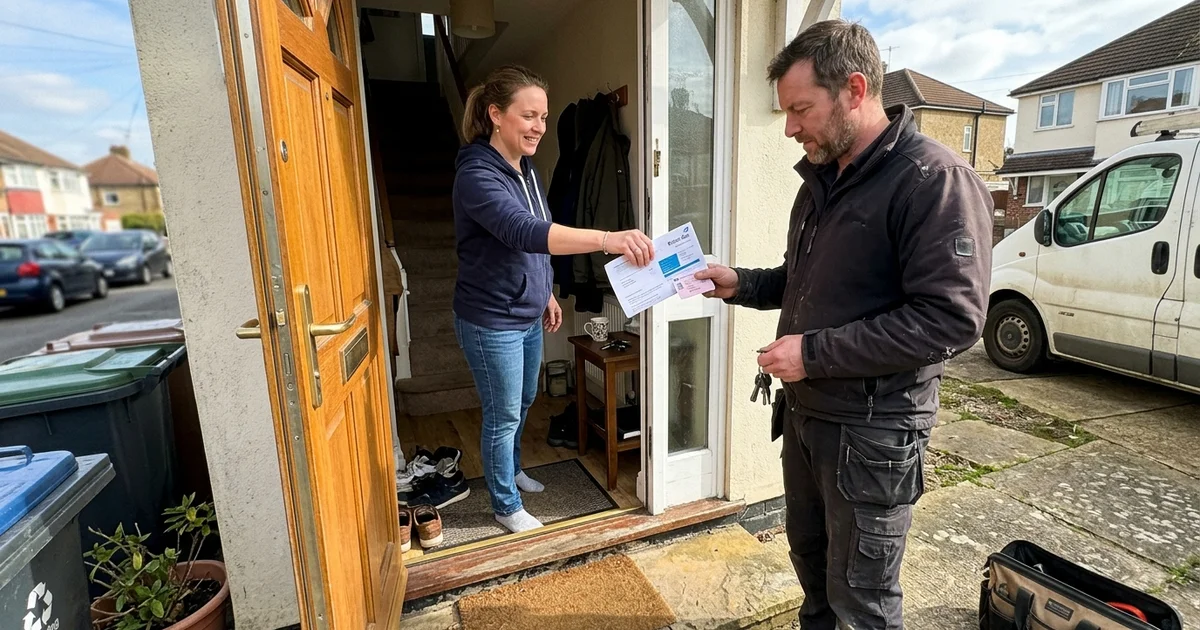
When a locksmith asks for identification on your own doorstep, the natural reaction is mild irritation. You’re standing outside your house, you’ve already paid for a call-out, and now there’s paperwork.
It’s worth flipping the question round. If a locksmith will open your door on the strength of “this is my house”, they will open it for the next person who says the same thing. The check exists precisely because a locksmith carries tools that defeat locks, and the trade’s credibility depends on those tools only being used for people entitled to enter.
Every reputable locksmith in Ireland does this, and it’s part of every emergency lockout call-out we attend.
What we’re actually confirming
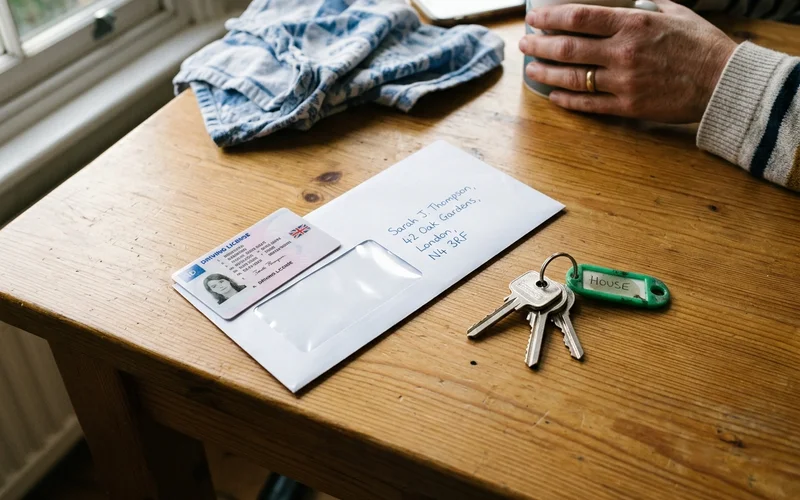
Two things, briefly:
- Who you are — normally photo identification such as a driving licence or passport.
- That you’re entitled to be at this address — a utility bill, bank letter, tenancy agreement, mortgage document, or something equivalent linking your name to the property.
That’s it. We’re not credit-checking you or building a file. We’re establishing that opening this door for this person is reasonable.
What counts when your documents are inside
This is the obvious objection, and it comes up on a large share of lockouts: your ID is on the hall table, behind the door you can’t open. Locksmiths deal with this constantly, and there are workable alternatives.
- Post visible inside. A letter with your name on the hall floor, seen through the letterbox, is often enough alongside a description of the property.
- A neighbour. Someone on the road who confirms you live there carries real weight.
- Interior knowledge. Describing the layout, the contents of a specific room, or what’s on the kitchen table is the kind of thing an occupant knows and a stranger doesn’t.
- A landlord or agent. For rented property, a quick phone call to the letting agent settles it.
- ID in the car or a bag. Frequently your licence is in a wallet you do have.
If you genuinely cannot demonstrate entitlement by any route, a locksmith may decline the job. That’s not obstruction, it’s the system working as intended, and it’s the same protection that stops someone doing it to you.
Special situations
Rented property. A tenancy agreement or a call to the landlord or agent normally covers it. The tenant is entitled to entry; the landlord is entitled to know a lock was opened.
Recently moved in. Bring the sale or letting paperwork if you have it. A solicitor’s letter or a signed agreement is strong evidence.
Relationship breakdowns and disputes. Locksmiths are careful here, and rightly so. Where entitlement to a property is contested, opening a door or changing a lock can have legal consequences. We may ask for more, and in genuinely disputed cases we’ll suggest you take advice first. That isn’t a judgement about your situation, it’s an acknowledgement that we’re not in a position to adjudicate one.
Commercial premises. Usually a director, keyholder or manager confirming their role, often alongside a company document.
How your information is handled
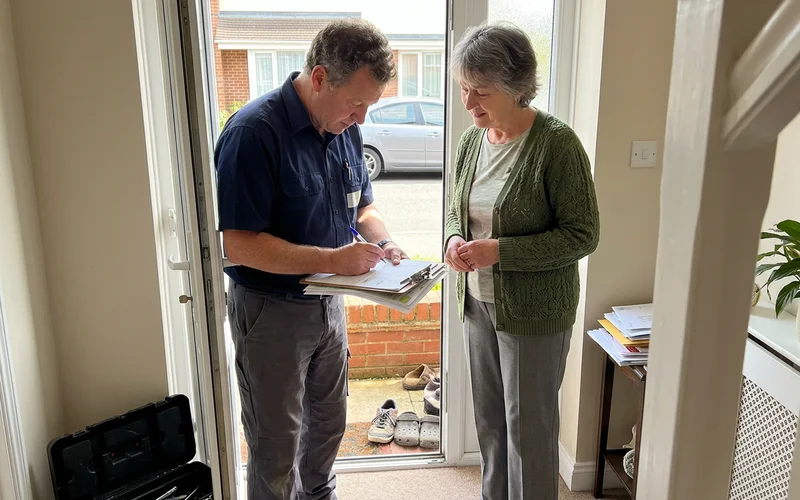
We record that a check was carried out and the type of document seen — for example “photo ID and utility bill” — as part of the job record. We do not photograph, scan or keep copies of your documents.
That record exists for accountability. If a question is ever raised about a door we opened, we can show that the entitlement check was done. It’s kept in line with the General Data Protection Regulation and the Irish Data Protection Act 2018, and you can read exactly what we hold and for how long in our privacy policy.
The check that should worry you
Not the one you’re asked for. The one you aren’t. A locksmith who opens doors without questions is a service available to anyone who knows your address, and that includes people you’d rather it didn’t.
Making it quick
If you’d like the check to take thirty seconds rather than five minutes: have your phone to hand (banking apps and email frequently show your address), think in advance about which neighbour would vouch for you, and mention on the phone if your documents are all inside so we arrive expecting it.
For more on what separates a locksmith worth calling from one worth avoiding, see our guide on choosing a trustworthy locksmith.