

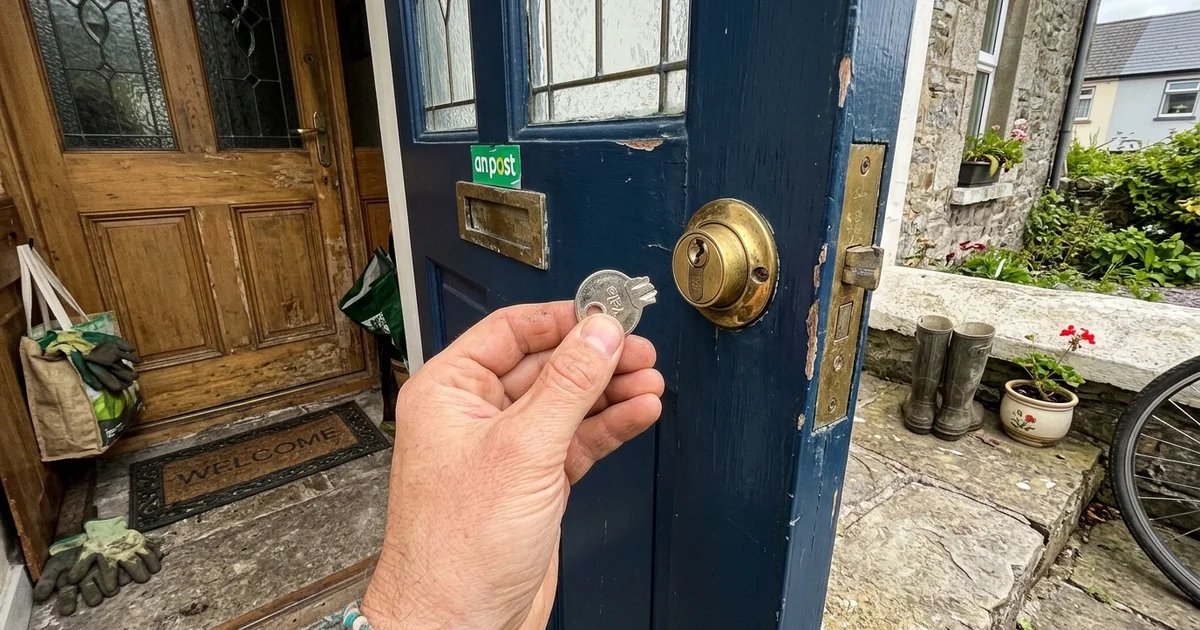
Stop. Do nothing for a minute
A snapped key feels like a disaster and is usually a twenty-minute job — provided nobody makes it worse in the meantime. Almost every expensive outcome we see started with a well-intentioned attempt to fix it.
So, first, the list of things not to do.
What not to do
Don’t push the fragment deeper. Pressing it in makes it far harder to grip and can damage the pins.
Don’t try other keys. Inserting another key drives the broken piece further along the keyway.
Don’t use superglue. This is the big one. Glue seizes the fragment, the pins and the keyway together, and turns a routine extraction into a cylinder replacement. It also almost never works, because the surface area of a snapped key is tiny and under torsion.
Don’t attack it with pliers if nothing is protruding. You’ll scratch the keyway and push the piece in.
Don’t force the lock with a screwdriver. A damaged cylinder is a cylinder you’re buying.
Do keep the other half. It’s genuinely useful — it gives us the key pattern for cutting a replacement.
If a piece is sticking out
One exception. If a decent length of the blade protrudes and you have fine-nosed pliers, a gentle, straight pull along the line of the keyway is reasonable. Straight out, no twisting, no wiggling.
If it doesn’t move on the first light attempt, stop. Forcing it snaps the fragment again, this time flush, which is a harder job.
How extraction actually works
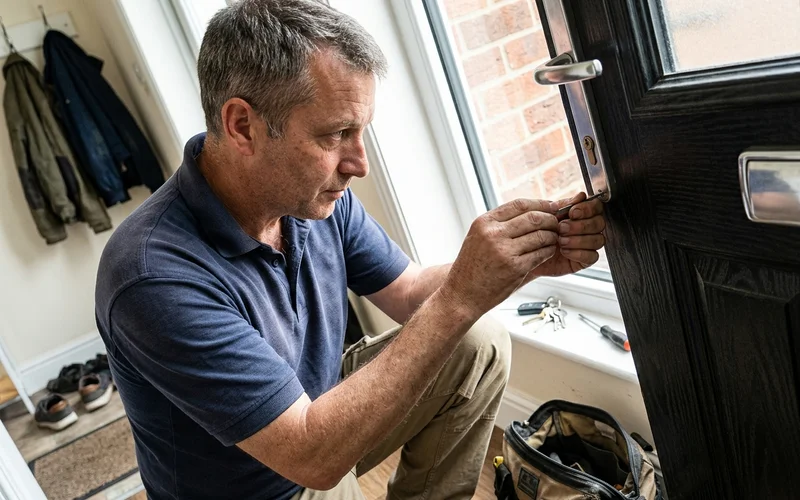
Locksmiths use purpose-made extractors: slim spiral or saw-tooth tools that slide alongside the fragment in the keyway, engage the cuts on the blade, and draw it back out.
The tools are shaped specifically to grip a key blade without touching the pins. That’s why the process leaves the cylinder working, and why improvised tools do not.
Once the fragment is out, we test the lock from both sides. If it turns cleanly, it stays. If the cylinder was already worn or seized — which is very often why the key snapped — we’ll show you and quote a replacement before doing anything. Our broken key extraction service covers the whole process, 24 hours a day.
Then: a replacement key
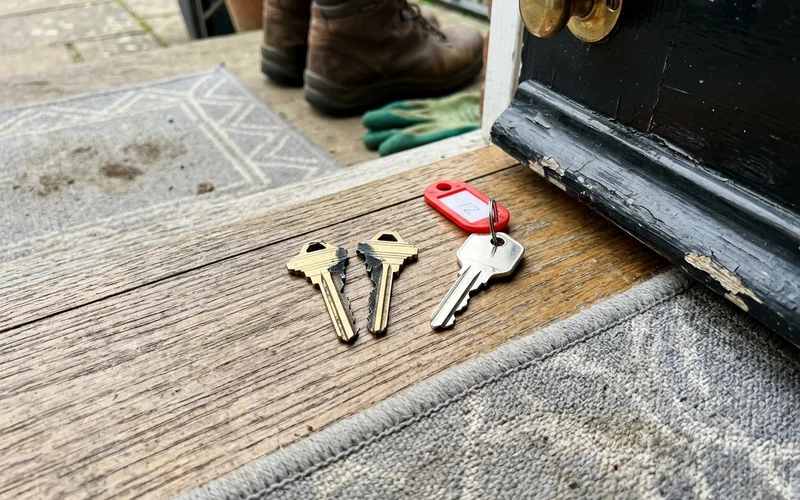
Assuming you still have the bow half and we recover the blade, the two together usually give the full pattern for cutting a fresh key. Where the pieces are too worn, we can sometimes cut to the lock’s own code instead. More detail in our guide on whether a broken key can be copied.
Why it snapped, and how to stop it happening again
Three usual causes, and all of them are fixable:
- The key was worn. Copied from a copy, thinned by years of use. Cut a fresh one to the lock’s pattern.
- The cylinder was stiff or seizing. Common near the coast, where salt air corrodes internals. Lubricate with a dry graphite product, or replace the cylinder.
- The door had dropped. The bolt was under load, so the key was taking strain it was never designed for. Adjusting the hinges fixes it.
If a locksmith extracts your key and doesn’t mention which of those it was, ask. Otherwise the new key will do exactly the same thing in six months.